
Yes, Kazakhstan’s Tax Code provides for restricting access to a foreign company’s website or platform. Article 89 ties that measure to failure to comply with two specified types of notice and a tax authority decision. A billing error or missed payment does not, by itself, mean instantaneous blocking. This guide follows each statutory stage and the route to removal.
Article 89 specifies two grounds, not a general error trigger
Under Article 89(2), the tax authority issues a restriction decision where a foreign company operating through an online platform in Kazakhstan fails to comply with a notice to register with the tax authority or a notice of discrepancies found by desk review. The decision is made within one working day following expiry of the notice-compliance period. Article 89(1) requires a tax authority decision. Do not describe every late payment or website error as an immediate blocking event. Identify the notice type, delivery date, deadline and whether it was complied with.
Article 107(1) also provides for informing the public about consequences of a foreign company’s failure to comply with a registration notice. Such public information is not the same event as an Article 89 restriction decision. Article 137(9) likewise names access restriction for a relevant foreign company following non-compliance with a desk-review notice.
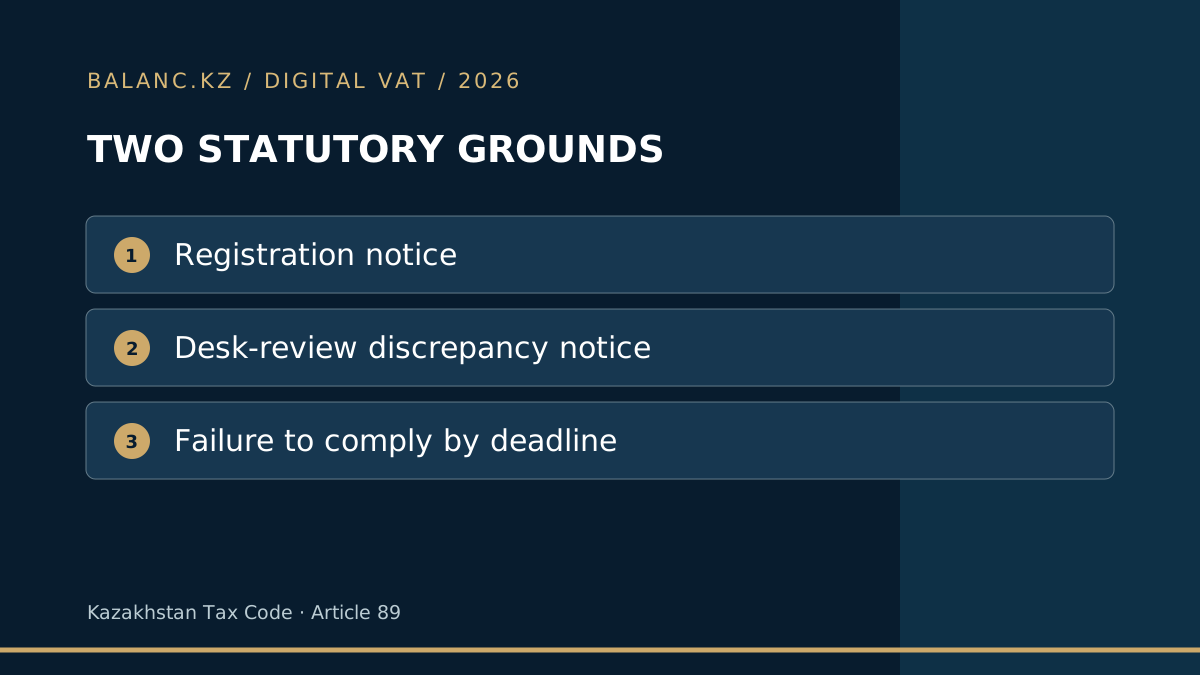
The company can comply or present a reasoned response
Article 82(2) sets a general thirty-working-day period, counted from the day following delivery, for informational notices unless a different rule applies. The registration notice states the suspected breach and period. Article 107 permits compliance or a reasoned explanation with supporting documents. A desk-review notice under Article 137 may be addressed by correcting the discrepancy, providing a reasoned explanation, or correcting one part and explaining the rest. Under Article 107, an explanation without proper reasons or supporting documents can be treated as non-compliance. Check the exact legal basis and delivery method in the real notice.
Distinguish “no notice was delivered” from “the team did not see it”: delivery rules matter to the deadline. Keep receipt metadata and the notification path. If the company disputes its status or the discrepancy, address the legal and transactional facts rather than replying merely that the platform is incorporated abroad.
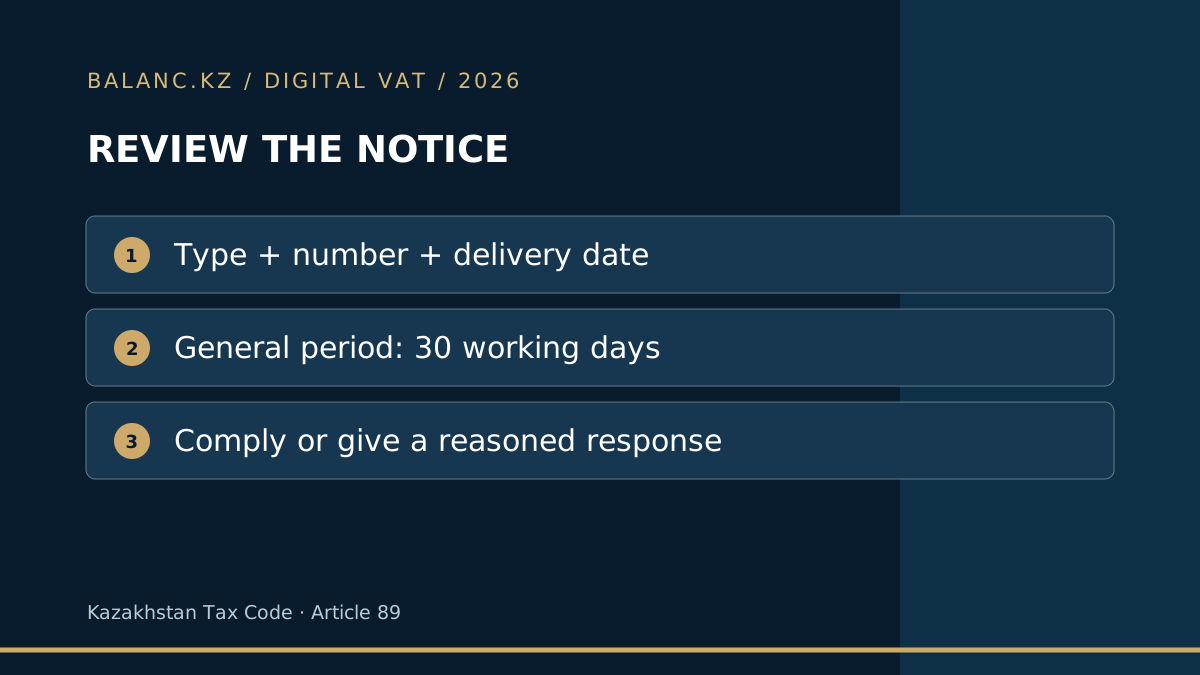
Decision and access restriction are separate steps
After non-compliance with a qualifying notice, the tax authority issues its decision within the Article 89(2) period. Under paragraph 3 it sends the decision to the mass-media authority within three working days after issue. Under paragraph 4 that authority takes access-restriction measures within three working days after receiving it. These are successive legal and technical steps. They do not promise that the site becomes unavailable a fixed number of hours after notice. Distinguish the tax decision, its transmission and effective access restriction in the case record.
Do not add “one plus three plus three working days” and present it as a guaranteed blocking date. Each period begins at a different procedural event and the events must be evidenced. Track the bodies’ actions separately and report only the confirmed stage to management.
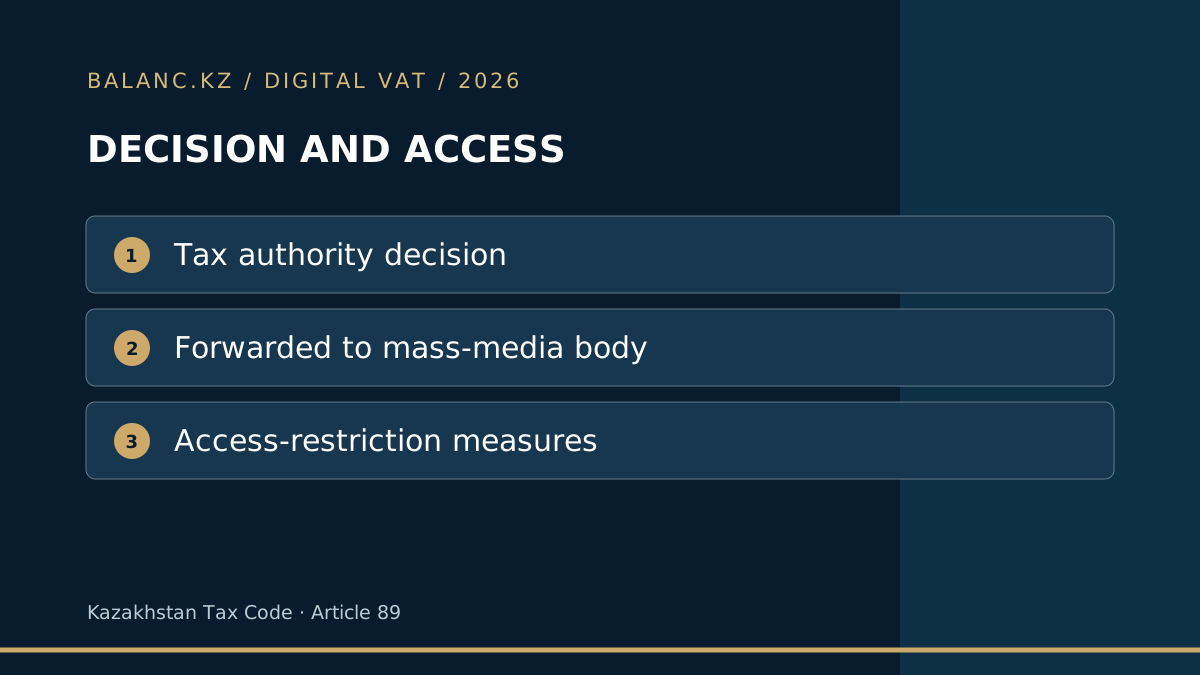
Removing the cause starts the unblocking procedure
Article 89(5) says the restriction is cancelled once the company remedies the cause. The tax authority issues a removal decision within one working day after the day of remedy and sends it to the mass-media authority within three working days after the decision. That authority takes removal measures within three working days after receipt. Do not promise immediate technical access when an explanation is merely submitted. Verify that the notice has been treated as complied with, the removal decision exists, it reached the next body and access was actually restored.
Check two outcomes: whether the measure has been formally removed and whether customers can actually use the service. If access remains disrupted after the prescribed process, record time, provider and the route to the competent authority. Changing domains without remedying the underlying notice is not a tax compliance solution.
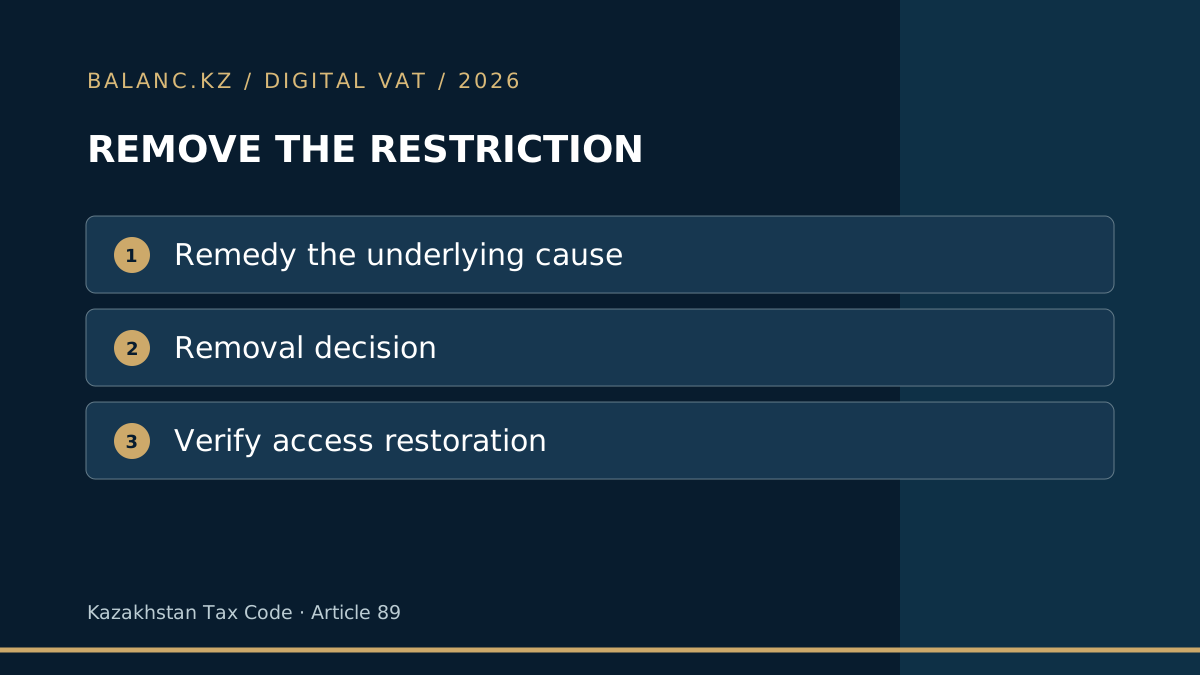
How fictional ABC Corp should handle a notice
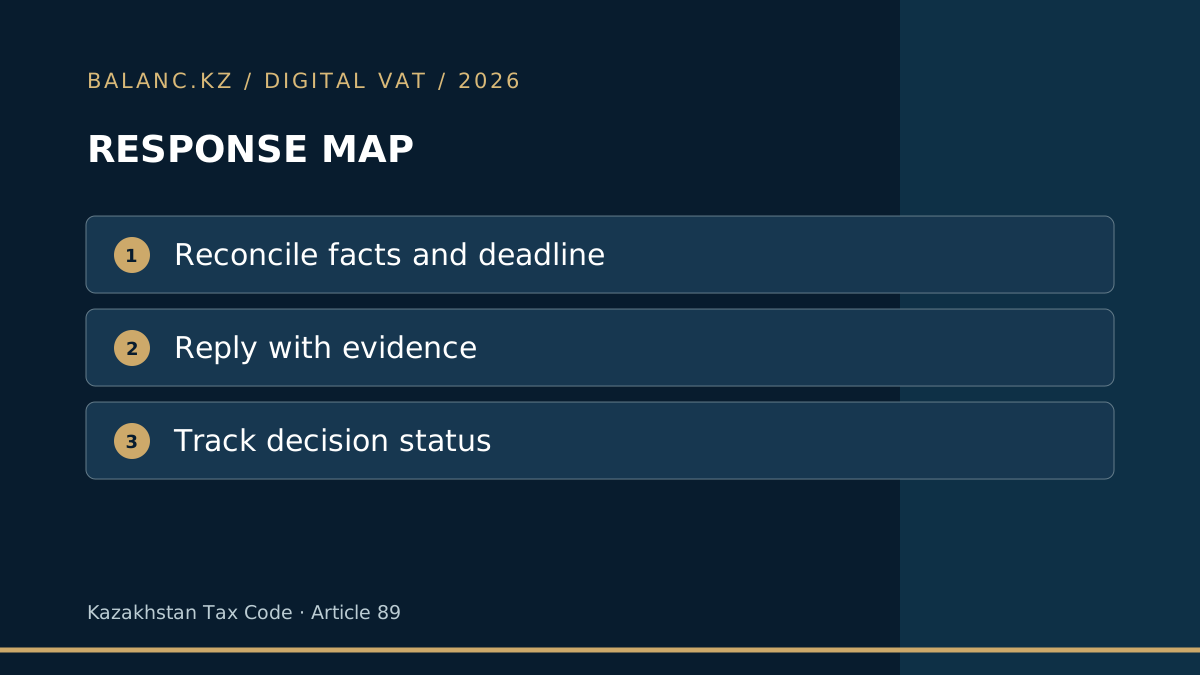
ABC Corp preserves the complete notice, its number, delivery date, period and calculated deadline, then identifies whether it concerns registration or a desk-review discrepancy. It checks the contractual seller, first payment and registration letter, or reconciles payment records and VAT amounts. If it agrees, it remedies the specific matter; if it disagrees, it submits a reasoned response under the applicable provision with evidence. It tracks the notice and decision status separately. A court challenge does not automatically suspend every deadline: verify the precise legal ground and evidence that a case was accepted when relevant.
In brief: “Can arrears alone trigger this?” Article 89 specifies failure to comply with the named notices, not every debt. “Does any explanation prevent blocking?” Its grounds and evidence matter. “Is access restored as soon as we fix the problem?” Verify the removal decision and the mass-media authority’s action.
Sources
- Kazakhstan Tax Code No. 214-VIII, Articles 82, 89, 107 and 137 (official Russian text).
- State Revenue Committee: foreign-platform access restriction (Russian).
Reviewed 17 October 2026. ABC Corp is fictional; confirm deadlines and documents in the particular case.